

How often should you really change your oil?
The 3,000-mile rule is dead. Here's what modern oil chemistry, your owner's manual, and 40+ years of shop experience actually say.
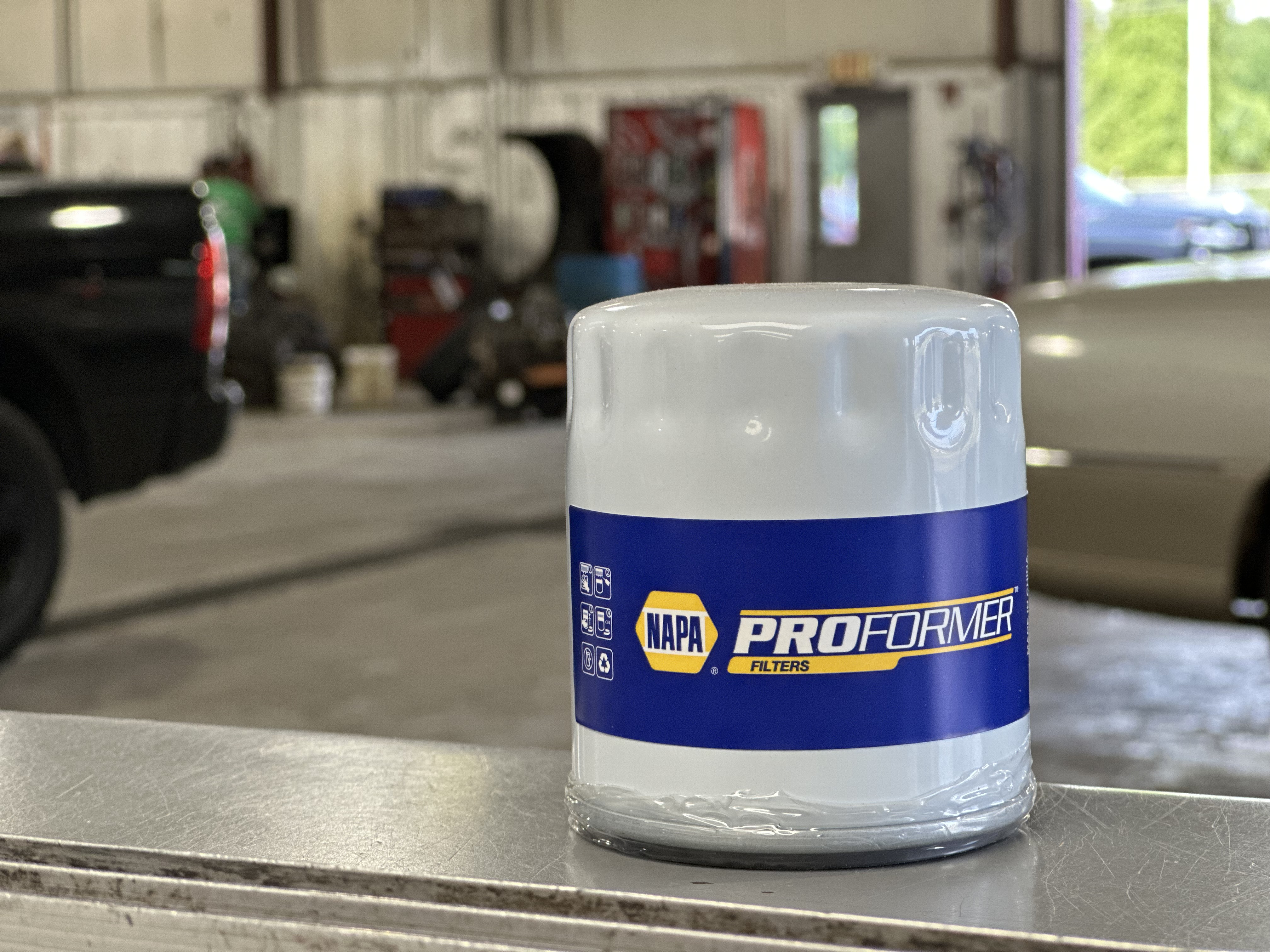
Walk into any quick-lube and you'll still see a "Change every 3,000 miles" sticker on the wall. It's the most stubborn myth in auto care — and following it can cost you hundreds of dollars a year for no benefit.
The short answer
For most vehicles built after 2010 running full synthetic oil, the right interval is somewhere between 5,000 and 10,000 miles. Your owner's manual will give you a specific number — and that number is almost always more accurate than what's on the windshield sticker.
Why the old rule no longer applies
The 3,000-mile interval came from a different era. Engines ran hotter, oil was conventional (not synthetic), and the additive packages broke down faster. Today's full synthetic oils hold up dramatically longer — better resistance to heat, better detergents, slower oxidation.
At the same time, modern engines have tighter tolerances, better fuel injection, and oil-life monitoring systems built right into the dashboard. Combined, that means oil simply doesn't need to be replaced as often as it used to.
How to find your real interval
- Check your owner's manual. Look for the "maintenance schedule" section. Most modern manuals list two intervals: a "normal" and a "severe" service schedule.
- Be honest about how you drive. "Severe" service includes lots of short trips (under 10 miles), towing, dusty roads, extreme heat or cold, and stop-and-go traffic. If that's most of your driving — yes, you should follow the shorter interval.
- Trust the oil-life monitor. If your vehicle has one, it actually tracks engine load, temperature, and runtime. It's not perfect, but it's a much better signal than mileage alone.
Rough rules of thumb
- Conventional oil: 3,000 – 5,000 miles
- Synthetic blend: 5,000 – 7,500 miles
- Full synthetic: 7,500 – 10,000 miles (some manufacturers go to 15,000)
- Severe service (any oil type): Cut the interval roughly in half
Time matters too
If you don't drive much, oil still degrades. Moisture, fuel dilution, and oxidation all happen whether the engine is running or sitting. Even low-mileage drivers should change oil at least once a year.
The bottom line
Don't pay for oil changes you don't need. But don't stretch your interval just because you can, either — the cheapest oil change is always cheaper than a new engine. If you're not sure what's right for your vehicle, bring it by. We'll look up your manufacturer's spec, check the condition of your current oil, and give you a straight answer.
Need an oil change?
Book online in under 60 seconds, or drop your keys in our 24/7 contactless drop box.