

How rainy weather affects squealing brakes
If your brakes screech every time it rains, you're not imagining things. Here's what's happening, when it's harmless, and when you should bring it in.
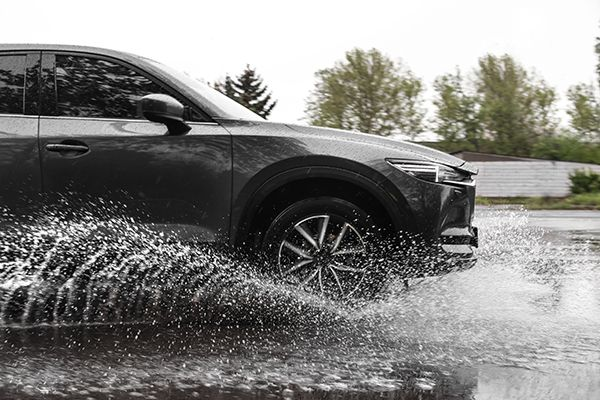
Why brakes squeal when it rains
Brake rotors are bare metal. When it rains — or even when overnight dew is heavy — a thin layer of rust forms on the rotor surface in a matter of hours. The first few times you press the brake pedal, your pads scrub that rust off. That scrubbing is what creates the squeal or light grinding noise you hear on your first few stops of the day.
Water also gets between the pad and the rotor while you're driving through rain. This thin film reduces friction momentarily, and the pad vibrates against the rotor instead of gripping cleanly. Vibration equals noise.
When it's completely normal
If the squeal only lasts for the first two or three brake applications after the car has been sitting in the rain, that's textbook surface rust removal. It happens on nearly every vehicle — even brand-new ones fresh off the lot. Once the pads wipe the rotor clean, the noise disappears and braking feels normal. No repair needed.
The same thing can happen after a car wash, after driving through a puddle, or any time the rotors get wet. It's physics, not a problem.
When it's a sign of something else
Rain-related squealing becomes a concern when:
- The noise doesn't go away after a few stops. If you're still hearing it after a mile of normal driving, the pads may be worn down to the wear indicator — the small metal tab designed to squeal when the pad gets thin.
- You hear grinding instead of squealing. Grinding means metal-on-metal contact. Rain may have accelerated corrosion on already-thin pads, and now the backing plate is touching the rotor. That's active damage happening with every stop.
- The brake pedal feels different. If wet weather makes the pedal feel soft, spongy, or requires more pressure than usual, moisture may have entered the brake fluid through old or cracked seals. Brake fluid is hygroscopic — it absorbs water over time — and water in the lines lowers the fluid's boiling point and reduces stopping power.
- The car pulls to one side when braking in the rain. Water can highlight uneven pad wear or a sticking caliper that you might not notice in dry conditions. One side grips while the other slips, and the car drifts.
Georgia rain and your brakes
Here in Americus, we get our share of afternoon downpours — especially from late spring through summer. That means your rotors go through wet-dry-wet cycles constantly. If your brake pads are already getting thin, this cycle accelerates corrosion and wear. A pad that might have lasted another month in dry weather can hit the wear indicator weeks earlier in a rainy stretch.
Humidity matters too. Even when it's not raining, Georgia's humidity keeps moisture in the air and on your rotors. Vehicles that sit outside overnight tend to develop surface rust faster here than in drier climates.
What you can do about it
There's no way to prevent surface rust entirely — it's just what bare metal does when it gets wet. But you can stay ahead of the problems that rain makes worse:
- Pay attention to how long the noise lasts. A few stops is normal. A few miles is not.
- Don't let worn pads slide. If your brakes were already squealing before the rain, wet weather is just making it louder and accelerating the wear.
- Have your brake fluid checked. If it hasn't been flushed in two or three years, it's likely absorbed enough moisture to affect performance — especially in a humid climate.
- Park in a garage when you can. Keeping the car dry overnight reduces the morning rust cycle and the noise that comes with it.
The bottom line
A little brake noise after rain is one of the most normal things in the automotive world. But "normal rain noise" and "worn brakes getting louder in the rain" sound almost identical. The difference is whether the noise goes away after a few stops or sticks around. If you're not sure which one you're dealing with, a quick inspection will tell you.
Not sure if it's just rain noise?
We do free brake inspections with any service. We'll measure pad thickness, check the rotors, and give you an honest answer — no pressure, no upsell.