

1. Drain & replace
We drain the old oil completely, swap in a new OEM-spec filter, and refill with the exact grade and quantity your manufacturer requires.
Fresh oil and a new filter — the single most important thing you can do to extend the life of your engine. We use full synthetic oil to manufacturer specification on every service, unless your vehicle specifically calls for something else.
Engine oil does four jobs at once: it lubricates dozens of moving metal parts, carries heat away from combustion, suspends soot and metal particles so they can be filtered out, and seals microscopic gaps between pistons and cylinder walls.
Every mile you drive, oil breaks down. Heat thins it. Combustion byproducts contaminate it. The additive package that protects your engine slowly gets used up. Once that happens, metal-on-metal contact starts — and the damage from one missed oil change can cost thousands to repair.
A timely oil change is the cheapest insurance policy your engine will ever get. Skip it and you risk premature wear, sludge buildup, reduced fuel economy, and — eventually — engine failure.
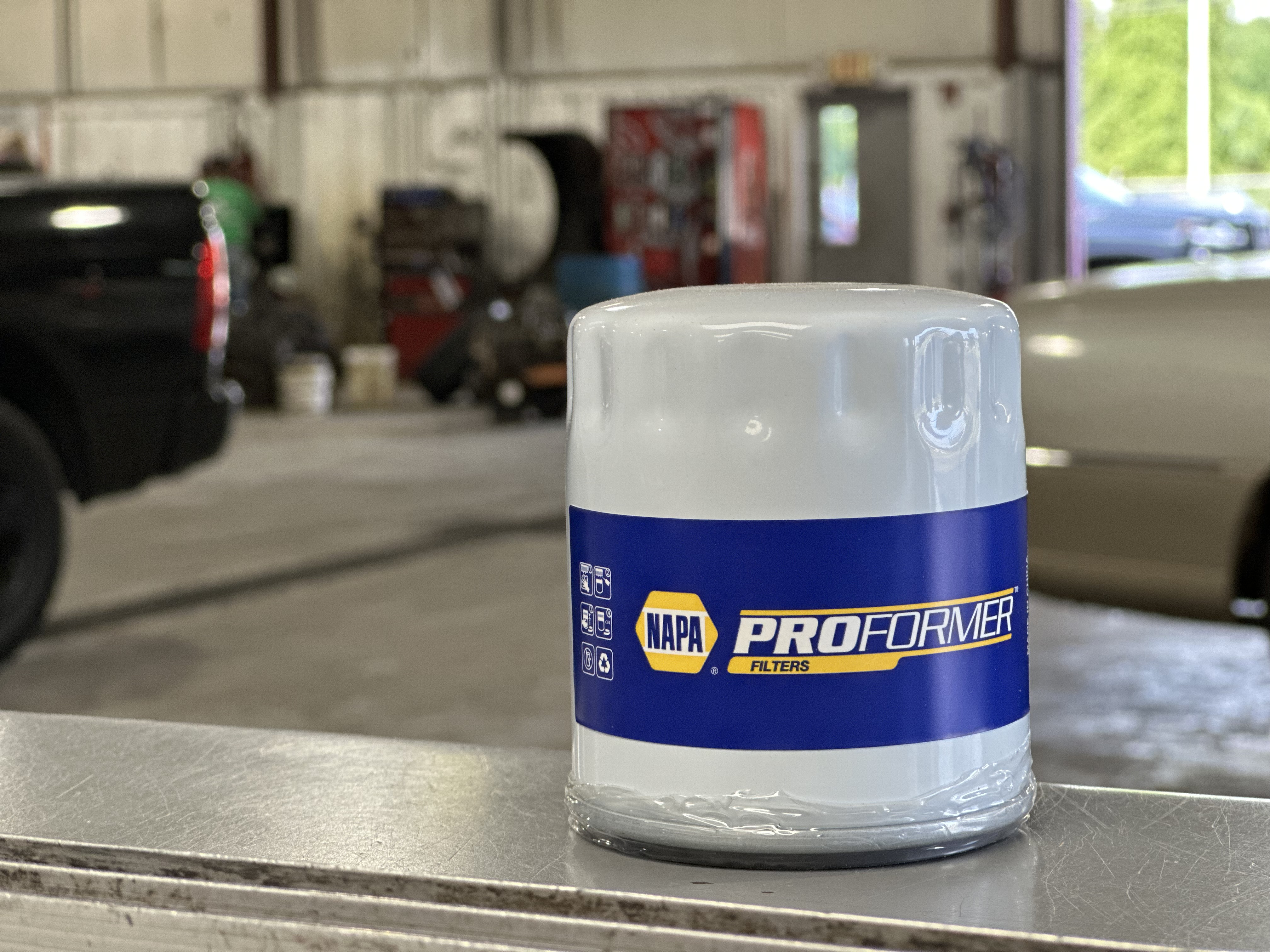
Every oil change at Snider follows the same checklist — no shortcuts, no skipped steps.
We drain the old oil completely, swap in a new OEM-spec filter, and refill with the exact grade and quantity your manufacturer requires.
While your vehicle is up on the lift we perform a full courtesy check — a 30-point digital vehicle inspection covering tires, brakes, belts, hoses, lights, and more. You'll receive a color-coded report sent straight to your phone with photos of anything that needs attention. Learn more about our courtesy check
Coolant, washer fluid, power steering, brake fluid — we check the levels and top off anything that's low. No extra charge.
We reset the maintenance light, log the service in your vehicle's history, and apply a windshield sticker so you know when to come back.
If you notice any of these, don't wait for the next scheduled service — bring it in.
The amber wrench or oil-can icon on your dash is the manufacturer telling you it's time. The red oil light means stop driving immediately.
Check your owner's manual or last service sticker. Most modern vehicles fall between 5,000 and 10,000 miles depending on oil type.
Fresh oil is amber and translucent. If yours is opaque black or feels gritty between your fingers, the additive package is spent.
A clattering or ticking noise on cold start is often low or worn-out oil failing to reach valve-train parts quickly.
Most oil changes take 30–45 minutes. Book online or call ahead and we'll have the right oil and filter ready when you arrive.
Every oil change includes a free digital vehicle inspection — 30+ points checked, with a color-coded report sent to your phone.
Most manufacturers recommend rotating tires every other oil change. We can do both in one visit.
Free with every oil change — we measure pad thickness and rotor condition while we're under the vehicle.
A free load test tells us if your battery has cold-cranking amps left or is on borrowed time.